




curriculum
A Computing Curriculum for the Future
Foundations
The Three Pillars: All learning is built upon three distinct but interconnected "pillars", ensuring a holistic understanding of the digital landscape.
Pillar

 Computer Science
CS
The study of computation's fundamental principles. We dive into computational thinking, algorithms, data, and programming to understand how computers 'think' and solve problems.
CS
The study of computation's fundamental principles. We dive into computational thinking, algorithms, data, and programming to understand how computers 'think' and solve problems.
Pillar
 Information Technology
IT
The practical application of technology. We explore how digital infrastructure—from hardware and operating systems to networks—is built, managed, and secured to meet real-world needs.
IT
The practical application of technology. We explore how digital infrastructure—from hardware and operating systems to networks—is built, managed, and secured to meet real-world needs.
Pillar
 Digital Capability
DC
The skills to thrive in a digital society. We focus on creating digital content, collaborating effectively, and managing one's online identity and wellbeing safely and responsibly.
DC
The skills to thrive in a digital society. We focus on creating digital content, collaborating effectively, and managing one's online identity and wellbeing safely and responsibly.
Two types of Knowledge
The curriculum is almost perfectly balanced between declarative ("knowing what") knowledge and procedural ("knowing how") knowledge. This balance shows a strong emphasis not just on understanding concepts but on being able to actively apply them.
Computing Personas
With the introduction of The Computing Personas we go beyond subjects by embedding professional mindsets. These 'Personas' help students see computing from multiple viewpoints, discover their strengths, and connect with future careers.

The Analyst
The Analyst is the crucial link between a real-world need and a technical solution. They focus on understanding the true goals of a project, constantly asking, "What problem are we really trying to solve?" and translating those goals into clear, actionable requirements.
The Analyst is the crucial link between a real-world need and a technical solution. They focus on understanding the true goals of a project, constantly asking, "What problem are we really trying to solve?" and translating those goals into clear, actionable requirements.

The Creative Technologist
The Creative Technologist uses technology as a medium for artistic expression and creating engaging experiences. Moving beyond function, they focus on the aesthetic and emotional aspects of digital creations, asking, "Is it beautiful, compelling, and memorable?".
The Creative Technologist uses technology as a medium for artistic expression and creating engaging experiences. Moving beyond function, they focus on the aesthetic and emotional aspects of digital creations, asking, "Is it beautiful, compelling, and memorable?".

The Data Custodian
The Data Custodian masters the entire lifecycle of data, from its basic binary representation to its use in generating knowledge and insight. They understand how data is stored, managed, and analysed to create value.
The Data Custodian masters the entire lifecycle of data, from its basic binary representation to its use in generating knowledge and insight. They understand how data is stored, managed, and analysed to create value.

The Digital Protector
The Digital Protector is dedicated to digital security and safety. This persona builds a deep understanding of security, from personal online safety practices like spotting phishing attacks to the complex technical architecture of secure systems.
The Digital Protector is dedicated to digital security and safety. This persona builds a deep understanding of security, from personal online safety practices like spotting phishing attacks to the complex technical architecture of secure systems.

The Healthy Technologist
The Healthy Technologist prioritises the physical and mental wellbeing of technology users. This persona fosters good habits, from setting up a workstation correctly and maintaining good posture to prevent issues like Repetitive Strain Injury (RSI).
The Healthy Technologist prioritises the physical and mental wellbeing of technology users. This persona fosters good habits, from setting up a workstation correctly and maintaining good posture to prevent issues like Repetitive Strain Injury (RSI).

The Historian
The Historian understands modern technology by exploring its past. They investigate the key milestones, pioneering figures, and breakthroughs that have shaped our digital world, appreciating that innovation is built on the foundations of the past.
The Historian understands modern technology by exploring its past. They investigate the key milestones, pioneering figures, and breakthroughs that have shaped our digital world, appreciating that innovation is built on the foundations of the past.
The Implementer
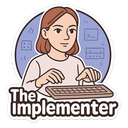
The Implementer sees programming as the universal language for creating solutions and digital experiences. They focus on the practical craft of writing efficient code, whether it's to automate tasks, build a website, or create a game.
The Implementer sees programming as the universal language for creating solutions and digital experiences. They focus on the practical craft of writing efficient code, whether it's to automate tasks, build a website, or create a game.

The Modeller
The Modeller excels at managing complexity by using abstraction. This persona creates and uses simplified models of complex realities, such as flowcharts to represent algorithms or wireframes to plan a website.
The Modeller excels at managing complexity by using abstraction. This persona creates and uses simplified models of complex realities, such as flowcharts to represent algorithms or wireframes to plan a website.
The Problem Solver
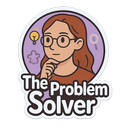
The Problem Solver embodies computational thinking in action, focusing on the systematic journey from problem to solution. They methodically troubleshoot issues, decompose complex challenges, and use digital tools to tackle real-world problems.
The Problem Solver embodies computational thinking in action, focusing on the systematic journey from problem to solution. They methodically troubleshoot issues, decompose complex challenges, and use digital tools to tackle real-world problems.
The Responsible Innovator
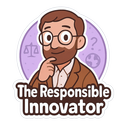
The Responsible Innovator focuses on the ethical, legal, and societal impact of technology. They encourage us to move beyond simply asking, "Can we build this?" to critically question, "Should we build this, and for whom?".
The Responsible Innovator focuses on the ethical, legal, and societal impact of technology. They encourage us to move beyond simply asking, "Can we build this?" to critically question, "Should we build this, and for whom?".
The Sustainable Technologist
The Sustainable Technologist champions 'Green Computing' by embedding environmental considerations into the design and use of technology. They address the IT sector's carbon footprint, from writing energy-efficient code to the responsible management of e-waste.
The Sustainable Technologist champions 'Green Computing' by embedding environmental considerations into the design and use of technology. They address the IT sector's carbon footprint, from writing energy-efficient code to the responsible management of e-waste.
The System Integrator
The System Integrator focuses on how individual components—hardware, software, and people—work together to form complex, functional systems. They explore everything from how an operating system interacts with hardware to the principles of user interface design.
The System Integrator focuses on how individual components—hardware, software, and people—work together to form complex, functional systems. They explore everything from how an operating system interacts with hardware to the principles of user interface design.
The Technician
The Technician connects the abstract world of code to the tangible, physical world. They focus on how software can sense and control physical objects, applying programming skills to control devices like Micro:bits or Internet of Things (IoT) gadgets.
The Technician connects the abstract world of code to the tangible, physical world. They focus on how software can sense and control physical objects, applying programming skills to control devices like Micro:bits or Internet of Things (IoT) gadgets.
Learning Journeys
By carefully and thoughtfully moving learners from playful creation to theoretical depth, The Computing Café curriculum stretches learners whilst giving them the support and opportunities they need to be successful digital citizens. Each stage builds upon the last, taking students from playful creation and foundational concepts to deep theoretical understanding and professional readiness.
Key Stage 1 (Years 1 & 2): Playful Creation
The focus is on introducing fundamental computing concepts implicitly through playful and creative activities. Pupils learn the basics of algorithms by programming floor robots and creating digital stories, treating technology as a tool for expression. Key skills include foundational digital literacy, such as using a keyboard and mouse, and understanding the most essential online safety rule: tell a trusted adult if anything online causes concern.
Key Stage 2 (Years 3-6): From Creator to Critic
This stage transitions pupils from simply creating digital content to also becoming critical thinkers about technology. The curriculum formally introduces the core programming constructs of sequence, selection, and repetition using block-based coding. Students learn to organize and analyze data in spreadsheets, conduct more effective online searches, and deepen their understanding of digital citizenship by exploring topics like cyberbullying and their own digital footprint.
Key Stage 3 (Years 7-9): The Abstraction Ladder
Serving as a crucial bridge to formal qualifications, this stage uses an "Abstraction Ladder" approach to move from familiar applications to the underlying principles. There is a significant leap from block-based to text-based programming (typically Python), and students look inside the machine to learn about hardware components like the CPU and RAM. They also begin to build their own websites with HTML and CSS and learn about the core principles of computer networks and cybersecurity.
Key Stage 4 (Years 10-11): Formalisation and Specialisation
The curriculum at this stage focuses on providing the formal, in-depth knowledge required for national qualifications. Abstract concepts are revisited with greater technical precision, covering topics like algorithm efficiency (searching and sorting), the layered TCP/IP model of computer networks, and more advanced cybersecurity threats. Students also begin to explore Object-Oriented Programming concepts and learn to interact with databases using SQL.
Key Stage 5 (Years 12-13): Theoretical Depth
This stage is designed to prepare students for higher education by focusing on deep theoretical understanding and complex problem-solving. The curriculum delves into the heart of computer science with formal algorithm analysis using Big O notation, advanced data structures (e.g., trees, graphs), and the fundamental theory of computation. Students engage with industry-standard practices like version control and explore emerging technologies such as quantum computing and the principles behind Large Language Models.
Lifelong Learning: The Extension Curriculum
This section is for the specialist and lifelong learner, covering professional, industry-grade tools and advanced topics that extend beyond the standard school curriculum. It includes highly technical areas such as advanced cybersecurity architectures, network analysis with packet sniffers, setting up automated software deployment pipelines (CI/CD), and understanding the technology behind sophisticated disinformation techniques like deepfakes.
Contemporary Topics
A standout feature of the curriculum is the inclusion of several "contemporary topics" that go beyond the basic statutory framework to prepare students for the modern digital landscape.
Artificial Intelligence (AI) & Machine Learning: Comprehensive progression from basic AI concepts (KS3) to training classification models (KS4) and exploring advanced neural networks, LLMs (like GPT-4/Gemini), and Prompt Engineering (KS4/5).
Big Data & Data Science: Moves beyond simple data handling to explore the "3 Vs" (Volume, Velocity, Variety), the Data Science Lifecycle, and specialized distributed processing frameworks like Hadoop and Spark (KS4/5).
Cybersecurity & Ethical Hacking: Detailed treatment of modern threats like SQL injection and DoS attacks (KS4) alongside advanced protection strategies such as Zero Trust architecture, penetration testing, and network forensics (KS5).
Sustainability & Green Computing: Addresses the environmental lifecycle of hardware, including embodied vs. operational carbon footprints, "Right to Repair" movements, and the connection between algorithmic efficiency and energy consumption.
Modern Software Development (DevOps): Introduces industry-standard practices including CI/CD pipelines, Microservices architecture, Containerization (Docker), and DevSecOps (KS5).
Quantum Computing: Covers advanced theoretical concepts including qubits, superposition, entanglement, and the potential for quantum algorithms to disrupt traditional encryption (KS5).
Internet of Things (IoT) & Wearables: Explores the ecosystem of interconnected physical objects, wearable technology, and even computer-based medical implants, including their societal and health implications.
Computational Science (Bioinformatics): Includes specialized applications of CS in biology, such as genomics, sequence alignment (BLAST), and using programming libraries like Biopython to analyze DNA data.
Digital Wellbeing & Identity: Addresses modern psychological and social challenges such as filter bubbles, echo chambers, the attention economy, and online social comparison.
Low-Code/No-Code (LCNC): Recognizes the rise of visual development for "citizen developers" and the use of workflow automation tools like Zapier or Power Automate (KS4/5).
Thematic Pathways
The "Thematic Pathways" formalise the teaching of modern, interdisciplinary fields by explicitly drawing content from the three core pillars of the curriculum: Computer Science (CS), Information Technology (IT), and Digital Capability (DC). They are designed to be taught as focused modules or integrated projects, particularly at Key Stages 4 and 5, to demonstrate the real-world application and synthesis of knowledge.
Cybersecurity and Digital Forensics
Sustainable Computing / Green IT
Web Development & Design
Game Design & Development
Human-Computer Interaction & UX Design
Quantum Computing Concepts
Blockchain and Decentralised Systems
DevOps & DevSecOps
Cloud-Native & Containerisation
Low-Code/No-Code Development
Artificial Intelligence & Governance
Robotics & Autonomous Systems
Data Science & Analysis
Bioinformatics & Computational Biology
Learning Beyond the Classroom
The homework strategy reinforces learning through varied, engaging tasks that are explicitly linked to our curriculum personas and future careers.
Persona-Driven Tasks: Students are challenged to adopt a specific professional mindset. A 'Problem Solver' might design an algorithm, while a 'Creative Technologist' might design a game concept, embedding different ways of thinking.
Career & Employability Focus: Tasks make a direct link between classroom skills and the workplace. Students might analyse a real job advert, write a 'client brief', or research salary prospects for a career that uses the lesson's skills.
Assessment Philosophy
We use a blended assessment strategy to build a complete picture of student understanding, testing not just what they know, but what they can do.
Selection-Based: Efficiently tests knowledge recall and identification through formats like multiple-choice questions.
Generative: Requires students to create their own response, from writing code to extended answers, revealing their thought process.
Procedural: Measures practical skill by asking students to perform a process, like tracing an algorithm or debugging code.
From Learning to Earning
By highlighting career pathways, we explicitly connect classroom skills to the modern workplace, helping students see the value of their education and the exciting careers it enables, while promoting the need for lifelong learning.
Software Developer Earnings Range: £30,000 to over £100,000.
A Software Developer designs, creates, and maintains software applications, acting as an architect for the digital world. They are responsible for the entire lifecycle of a software product, from the initial concept and coding through to testing and deployment.
Data Scientist Earnings Range: £32,000 to over £100,000.
A Data Scientist is an analytical expert who uses programming, statistics, and machine learning to find valuable insights within large datasets. Their work helps organisations identify trends, make predictions, and make better-informed, data-driven decisions.
Cybersecurity Analyst Earnings Range: £25,000 to over £140,000.
A Cybersecurity Analyst serves as a front-line defender of an organisation's digital assets. They protect computer systems and networks by monitoring for weaknesses, investigating security incidents, and putting defensive measures in place.
UX/UI Designer Earnings Range: £20,000 to over £65,000.
A UX/UI Designer focuses on bridging the gap between human interaction and technology. They research user behaviour to ensure a product is intuitive and logical (UX), while also crafting the visual look, feel, and interactivity of the interface (UI).
Cloud Engineer Earnings Range: £45,000 to over £100,000.
A Cloud Engineer is a specialist who designs, builds, and maintains applications and infrastructure on cloud platforms like AWS, Azure, or Google Cloud. The role combines skills from software development, networking, and systems administration.
Last modified: February 9th, 2026